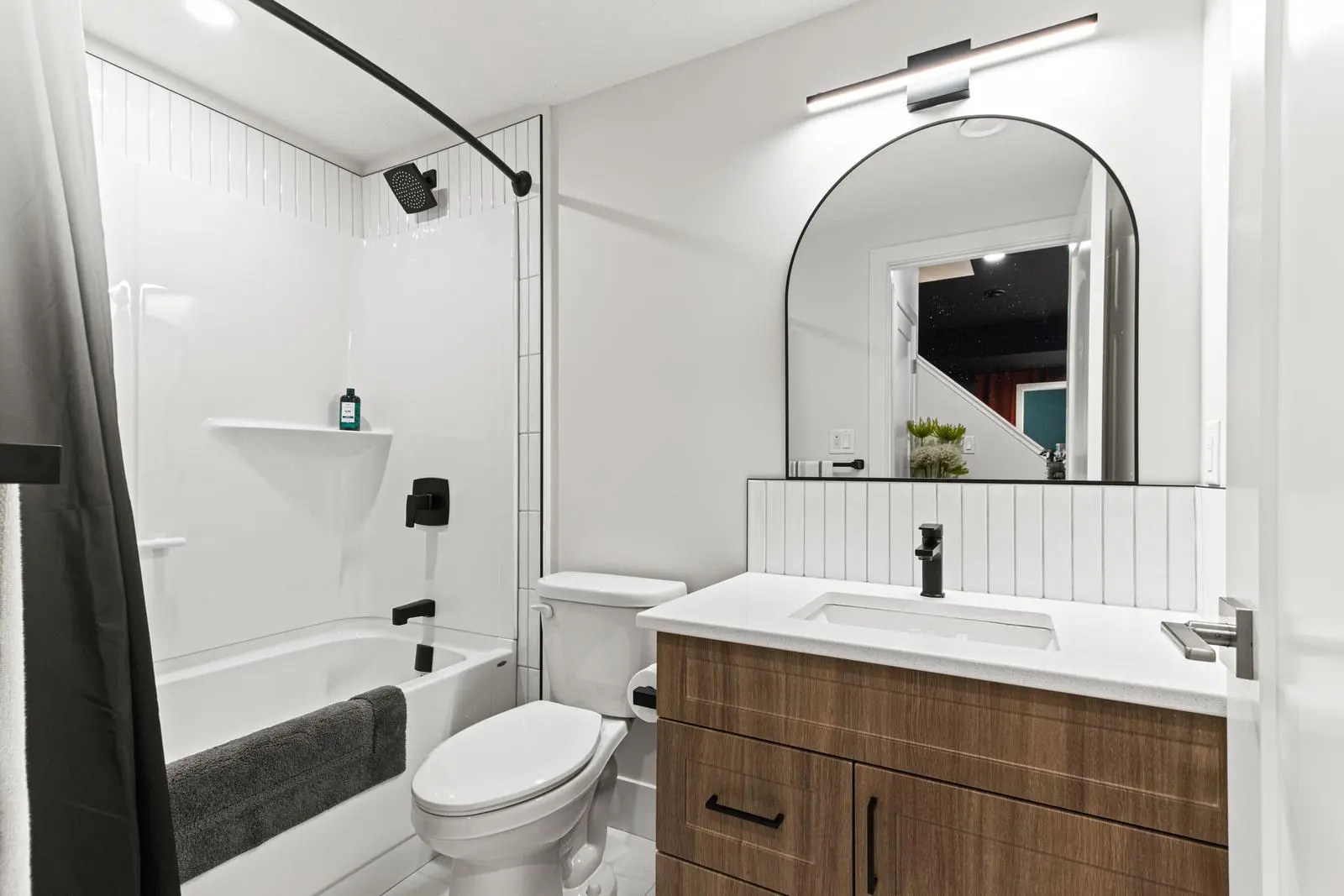
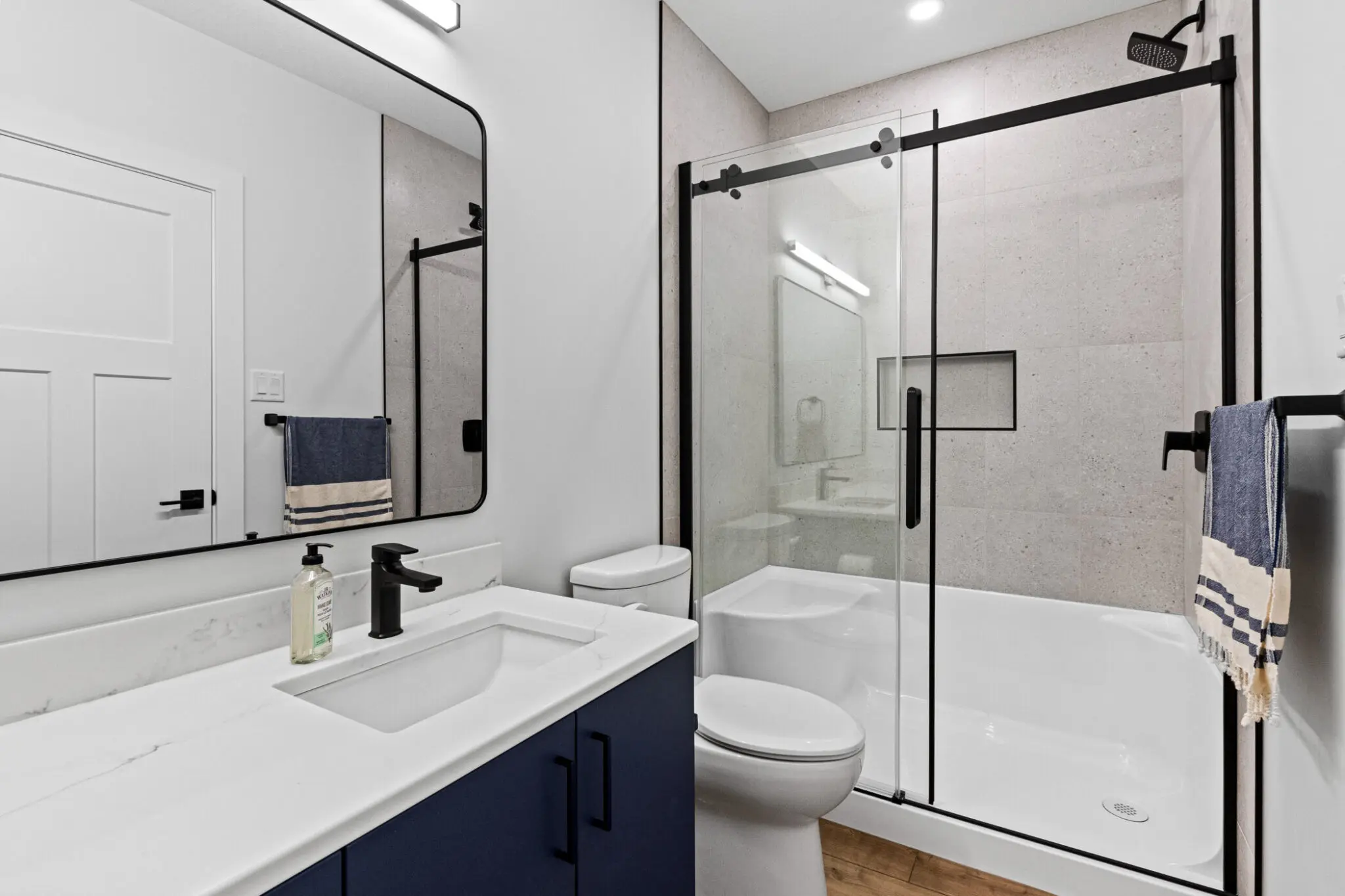
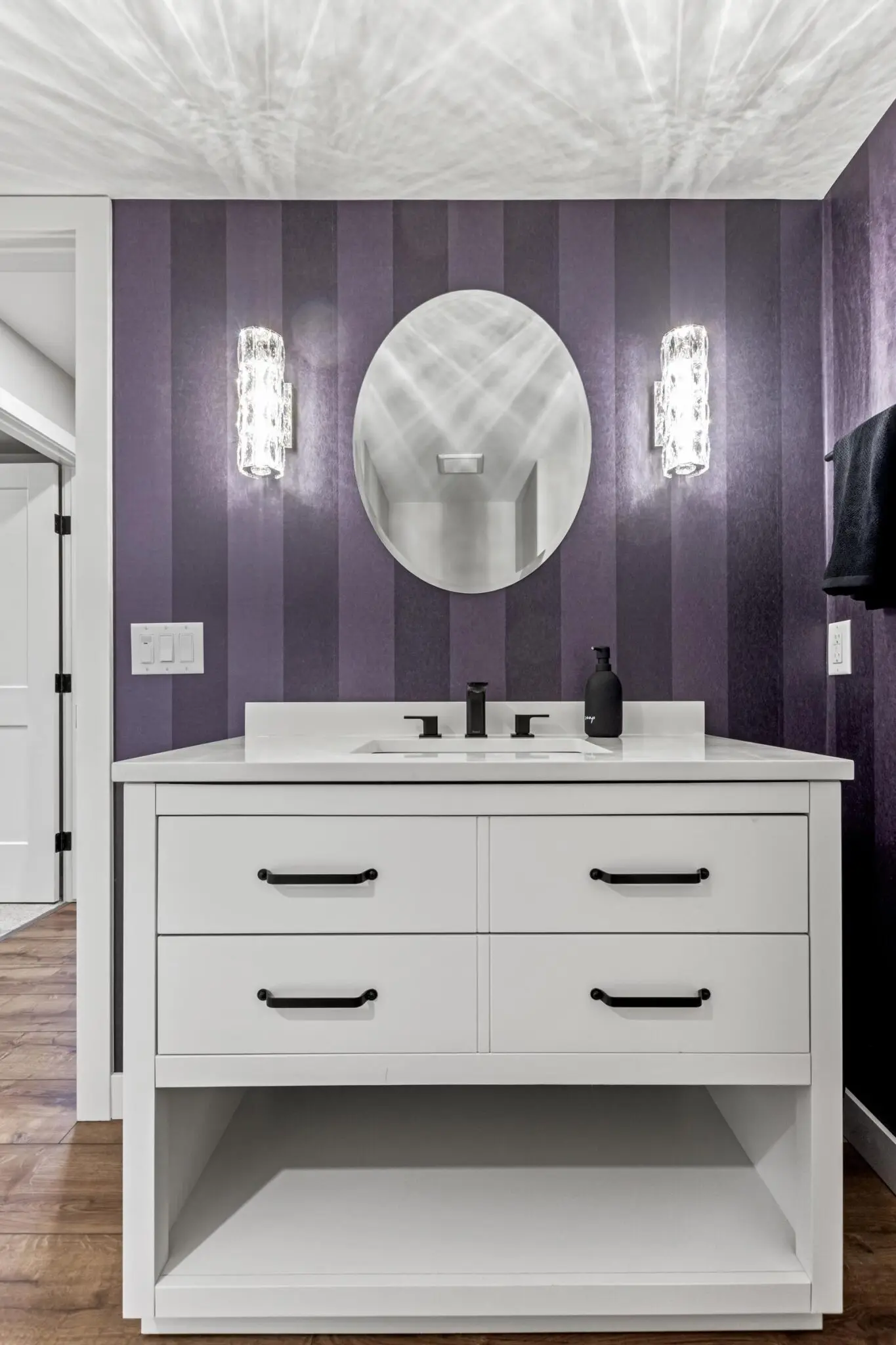
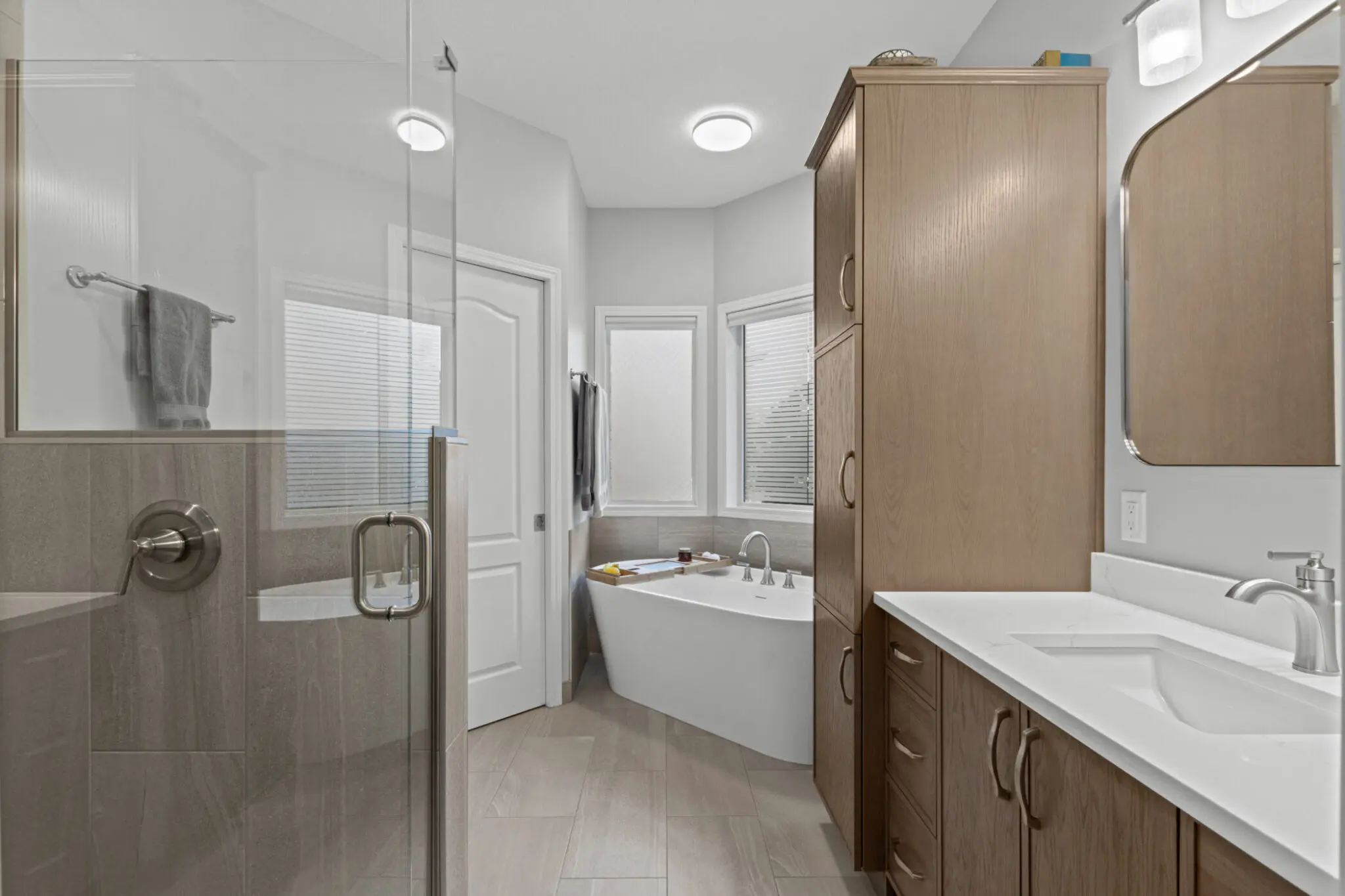
What Sets Apart a Quality Bathroom Contractor in Edmonton
The most reliable way to screen bathroom renovation contractors before a first meeting is to verify three non-negotiable baseline credentials: valid liability insurance, Workers’ Compensation Board (WCB) coverage, and a history of obtaining permits for comparable projects. Edmonton contractors who carry these credentials shift financial risk away from the homeowner and onto the renovation company where it belongs.
Licensing and Insurance Requirements for Edmonton Contractors
Liability insurance protects the homeowner when a bathroom renovation contractor causes property damage during the project — a burst pipe during tile demolition, for example, falls on the contractor’s insurer rather than the homeowner’s policy. WCB coverage closes a separate gap: without WCB clearance, a homeowner can be held liable for medical costs if a worker sustains an injury on the property. Edmonton bathroom renovation companies operating without both forms of coverage expose clients to financial risk that has nothing to do with the quality of the finished bathroom.
A bathroom renovation contractor should provide proof of both credentials before any deposit changes hands. Homeowners can request a Certificate of Insurance naming the homeowner’s property and a WCB Clearance Letter dated within the current calendar year.
Credentials to Verify Before Signing a Contract
- Certificate of liability insurance with a minimum $2M coverage limit, naming the homeowner’s property
- WCB Clearance Letter confirming the contractor’s account is in good standing for the current year
- Alberta business registration confirming the renovation company operates as a registered entity
- CHBA RenoMark membership, verifiable directly through the Canadian Home Builders’ Association website
- Permit history showing the contractor has obtained city permits for bathroom renovations of comparable scope
Why Permits Matter for Bathroom Renovations in Edmonton
Edmonton bathroom renovations that involve relocating plumbing fixtures, adding a new wet area, or making structural wall changes require permits from the City of Edmonton before work begins. A bathroom renovation contractor who skips the permit process saves time on the front end but creates a serious problem for the homeowner at resale — unpermitted work can trigger mandatory remediation requirements, void homeowner insurance coverage, and reduce a property’s assessed value. Homeowners should confirm at the estimate stage which permit categories apply to the planned scope and verify that the bathroom renovation company will handle all permit applications directly.
How a Professional Bathroom Renovation Runs From Consultation to Completion
Homeowners comparing Edmonton bathroom remodeling companies should pay close attention to how each contractor handles the consultation and scoping stage — specifically whether the contractor measures the space in person, asks questions about how the homeowner uses the bathroom, and produces a detailed written estimate before requesting any payment. Contractors who provide verbal estimates without taking measurements are introducing budget risk that typically surfaces as change orders mid-project.
Consultation, Design, and Scoping
A professional bathroom renovation consultation in Edmonton covers four distinct outputs: an in-person space measurement, a discussion of the homeowner’s vision and functional priorities, guidance on fixture and finish selections within the stated budget, and a projected timeline. Mode Built, an Edmonton bathroom renovation company founded in 2012, produces detailed floor plans and itemized cost breakdowns — and has homeowners confirm all finish selections at a dedicated design center — before issuing a final fixed-price quote. Homeowners who receive only a single lump-sum number without a material and labor breakdown have no way to evaluate what drives the cost or where reductions are possible, and locking in finish selections before signing eliminates the most common source of mid-project cost overruns.
Demolition, Waterproofing, and Rough-In
Waterproofing is the most consequential stage of a bathroom renovation and the one most frequently rushed by contractors competing on price. A bathroom renovation contractor applies waterproofing membrane behind tile in all wet areas — shower walls, tub surrounds, and shower floors — before any tile installation begins. Skipping or thinning the waterproofing layer is invisible in a finished bathroom but produces mold growth inside wall cavities within two to five years, requiring full tear-out to remediate.
Plumbing rough-in follows demolition and must be completed and inspected before waterproofing or tile work begins. Edmonton bathroom renovations that relocate a toilet, move a vanity, or add a second shower require a plumbing permit and a city inspection at the rough-in stage. A bathroom renovation contractor who tiles before the rough-in inspection passes is creating an unpermitted condition that the homeowner will need to disclose at resale.
Certifications That Indicate a Higher Standard of Renovation Work
Marketing claims on a bathroom renovation company’s website are not verifiable, but membership in industry certification programs is. The Canadian Home Builders’ Association (CHBA) RenoMark program sets a renovation-specific code of conduct that members must follow to maintain certification — and membership status is publicly searchable on the CHBA website, giving Edmonton homeowners a direct way to verify a contractor’s standing without relying on the contractor’s own materials. Mode Built holds CHBA RenoMark certification, a credential that carries specific enforceable requirements rather than serving as a self-assigned designation.
What CHBA RenoMark Certification Requires
RenoMark-certified bathroom renovation contractors must carry a minimum level of liability insurance, provide a written contract for every project, and offer a warranty on all completed work — requirements that apply to every certified member regardless of project size. The CHBA RenoMark program also requires members to use only licensed trade contractors for electrical and plumbing work, which matters for Edmonton bathroom renovations where substandard plumbing or electrical work creates both safety risks and permit complications. Homeowners can confirm a bathroom renovation company’s RenoMark status by searching the contractor’s name directly on the CHBA member directory at chba.ca.
Experience and Team Qualifications
Mode Built was founded in Edmonton in 2012 by Shaun Moore and Ryan DeBruyne, giving the company more than 13 years of residential renovation experience in the local market. Shaun Moore leads field operations at Mode Built, bringing over 20 years of residential construction experience to the supervision of every bathroom renovation project.
What a Bathroom Renovation Contract Must Include Before Signing
The most common bathroom renovation disputes in Edmonton arise from contracts too vague to enforce — specifically, contractors who add charges for work the homeowner believed was already included. A fixed-price contract with a detailed scope of work closes that gap, and any work added beyond the original written scope should require a signed change order before the bathroom renovation contractor begins the additional work.
Payment Structure and Milestone Draws
A reputable bathroom renovation contractor structures payments around completed project milestones rather than requesting large upfront lump sums before work begins. Mode Built uses a draw-based payment structure with payments triggered at three stages: an initial deposit when the contract is signed, a draw at drywall completion, and a final payment at substantial completion after the homeowner walkthrough. A bathroom renovation company requesting more than 10 to 15 percent of the total project cost as an upfront deposit before any demolition begins is operating outside standard industry practice and warrants additional scrutiny before signing.
Key Elements of a Bathroom Renovation Contract
- Detailed scope of work naming specific materials, finishes, fixtures, and tile by product and model number — not general descriptions like “standard vanity” or “ceramic tile”
- Fixed total price or a fully itemized cost breakdown showing labor and materials separately for each trade
- Milestone-based payment schedule tied to specific completed stages, not to calendar dates
- Project start date and projected substantial completion date, with a clause defining what constitutes substantial completion
- Change order procedure specifying that all scope additions require written authorization with a price confirmed before work proceeds
- Warranty terms stating the duration, what the warranty covers, and the process for submitting a warranty claim
- Contractor’s liability insurance certificate number, WCB account number, and applicable permit numbers once issued
Warranty Coverage and What a Renovation Warranty Should Protect
A bathroom renovation warranty should cover defects in both labor and materials for a defined period after project completion, and the warranty terms should appear in the signed contract — not in a verbal promise made at the estimate stage. Mode Built provides a two-year satisfaction warranty on all completed renovation work, and RenoMark-certified bathroom renovation contractors in Edmonton are required to offer a warranty on all completed work as a condition of certification. Homeowners should confirm what the warranty excludes before signing — a warranty that carves out tile cracking, grout failure, or fixture defects provides limited practical protection against the most common post-renovation issues.